The Digital Graveyard & The DIY Bloom
This isn't just an article; it's a frontline dispatch from the heart of the underground. The digital realm promised boundless connection, a democratised stage for every artist. Yet, for many navigating the UK's vibrant, restless music scene, it's become a labyrinth of algorithms, a relentless demand for "content" over substance, and a cacophony of manufactured hype. In this digital echo chamber, where virality often trumps artistry, a counter-culture movement is quietly, fiercely, taking root. These are the artists, the unsigned and the unheard, who are daring to be different, challenging the status quo, and forging real connections in an era that often feels anything but real. This is the very essence of TheZineUK's approach: a multi-media creative documentary of alternative rock on the grassroots circuit, lived as a lifestyle, online and on land.
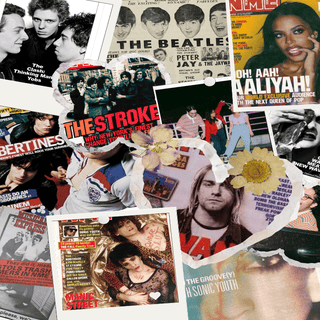
Back when this new wave was young, they looked to bands like the Manic Street Preachers; for them, the dream wasn't just about selling records; it was about seeing your face plastered across the cover of NME. As Richey Edwards famously declared, it was "the only thing that means anything."
That iconic front page, the stamp of approval from a generation's tastemaker, represented a tangible validation, a cultural moment. There was a ladder, a flawed, often brutal ladder, but a discernible path to "making it." A major label deal, a John Peel session, a NME cover – these were the signposts of a dream. You worked the grassroots circuit, built a buzz, and hoped the "music press" would pick you up.
But even then, the promise of the major labels often came with a hidden cost: massive advances that were actually loans, recoupable against every penny earned, often leaving bands deep in debt before a single record was truly profitable. Artistic integrity could be stifled by A&R demands for more "commercial" tracks, creativity bent to fit a marketing strategy, with the band's vision diluted into a product.
Today, those signposts are crumbling, against a backdrop of what we call the "hisstablishment’s hostile environment of Brexshit-deranged corruption." The mainstream media, from the glossy pages of Rolling Stone to the clickbait headlines of today's NME, still grapples with the pressures of the digital age. But for the underground, the markers of success, and the fight for authenticity, are far more visceral now.
The old gods have fallen, replaced by a new pantheon of independent voices and discerning ears. For today's emerging artists, the dream isn't a national magazine cover; it's hearing your track spun by a true champion like Steve Lamacq, or catching John Kennedy's ear – a nod from a genuine #Zeenager favourite, a signal that cuts through the noise and truly means something to a dedicated audience. It's not about being handed a dream; it's about building it, brick by hard-won brick, within a uniquely cultivated #FertileEnvironment.
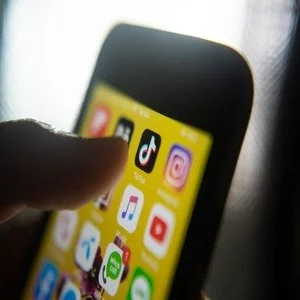
Artists speak of the exhausting grind to feed the beast – the endless TikTok trends, the Instagram reels, the analytics that dictate worth. You see them, hunched over phones, calculating rent against a fraction of a penny per stream, hoping one video might just catch fire. It's a system designed for profit, not passion, and it threatens to homogenise the very individuality that makes UK music so potent. Spotify, in particular, stands as the behemoth of this landscape, its opaque royalty structures and notoriously low per-stream payouts leaving countless artists struggling to survive, often playing to empty digital rooms amidst the CostOfGreedCrisis.
For many, the promise of global reach has curdled into a bitter reality of exploitation, a digital sharecropping where the platforms reap the vast majority of the harvest. This isn't just bad business; it's a fundamental disrespect for the creators whose work fuels their empires. It’s part of a wider Planet Fash mentality where, as the underground often asserts, the greedy consistently steal everything from the poor.
But true creativity, raw and unfiltered, finds a way. Across the concrete sprawl of our cities and the quiet hum of our forgotten towns, a resistance is brewing. Artists are consciously stepping back, reclaiming their narratives from the tyranny of the algorithm and the suffocating grasp of traditional labels. This retreat is not just economic; for some, it's a profound moral imperative.
Ethical considerations, such as the growing BDS (Boycott, Divestment, Sanctions) campaigns targeting streaming services, are driving a deeper wedge between creators and the corporate giants. The issue extends beyond meagre payouts; it delves into the very investments and political affiliations of the platforms' owners, their complicity in conflicts or injustices that run contrary to an artist's conscience. As the Bristol-based electronic artist, Rødhåd, once articulated: "My art cannot exist in a vacuum, separate from the world's injustices. To stay on platforms that fund oppression would be to silence a part of my own voice, no matter the reach." This sentiment is echoed by major figures like Roger Waters, a vocal proponent of BDS, who has consistently called for artists to consider the ethical implications of where their music is distributed.
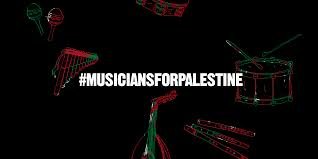
Furthermore, the "Musicians For Palestine" campaign highlights a growing movement among artists to actively withdraw their music from platforms that maintain ties to, or distribute to, entities they deem complicit in the occupation of Palestine, demanding a re-evaluation of the entire digital supply chain. The decision to remove music from certain platforms becomes an act of solidarity, a refusal to be complicit in systems that contradict their values, a reclaiming of artistic integrity from corporate entanglement. It’s a moment to ask: what side are you on?
They are building new ecosystems, rooted in genuine connection and tangible experiences. The old maps are useless; bands need to be focusing on finding the new way, charting uncharted territory with courage and conviction. This is the #NewerWave, where musicians and interdependent allies invest passion in DIY plants, seeding a consistently growing #FertileEnvironment. The internet age, for all its flaws, has opened up a world where "DIY" no longer means amateur. Services like DistroKid, TuneCore, and CD Baby have democratised distribution, allowing any artist to get their music onto Spotify, Apple Music, Bandcamp, and more, without needing a label's gatekeeping. This means artists retain far more control over their masters, their artistic direction, and crucially, a significantly larger share of their earnings. The power is shifting, slowly, from the boardrooms back to the bedrooms and the grassroots venues.
It's in these threads that a new tapestry is woven, each artist's story a vital, self-determined contribution.
Our very own # zeenager-picked artists are leading this charge. Just look at the ace bands (Jojo and The Teeth, MOSES, Dead Horses...) now represented by Lisa Knight at Knight PR. Lisa, a true force in the industry, exemplifies this new way, taking the narrative into her own hands, doing the work herself ethically, and with an artist-first approach that stands in stark contrast to the old guard.
Or look at the sonic architects like Gavin Monaghan (The Wizard of Magic Garden Studios), who has produced ZineUK favourites such as MOSES, The Blinders, The Sherlocks, and Editors. His work with these bands showcases a commitment to raw, authentic sound, proving that world-class production doesn't have to come at the expense of artistic vision or independent spirit. These are real people, sharing real stories, creating real art, far from the polished fakery of the mainstream. We live through these moments, forged in sweat and solidarity, not algorithms.
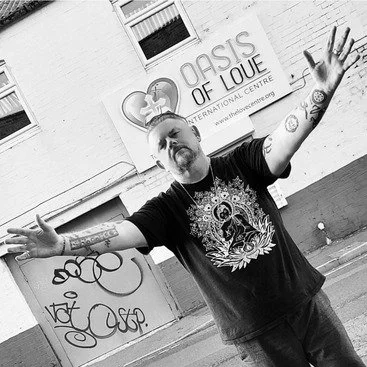
This deliberate rejection of algorithmic noise isn't just about how music is distributed; it's shaping the music itself. Artists are creating sounds that are less "algorithm-friendly," more experimental, more honest – a wilder, untamed sonic landscape. They're crafting soundscapes that reflect the grit and grace of their lived experiences, unburdened by the pressure to create a "viral moment." This is the future of music, film, fashion, art, and culture – a future built on authenticity, individuality, and community, where the power lies not in the numbers, but in the unwavering connection between artist and audience. This is the new way forward, a path forged by those who refuse to compromise their soul for a fleeting digital ghost, a future where artistic legacy is measured by truth, not trending topics, and creative freedom is the ultimate chart position.
In a world drowning in digital noise, these UK artists are proving that the most profound connections are forged beyond the feed, in the raw, unfiltered spaces where passion still reigns supreme. They are the heartbeat of the underground, and their revolution is a quiet, powerful testament to the enduring human need for real art. What TheZineUK lacks in financial backing, we make up for in hope and adventures.
The good souls WILL win!